


Graduation of the 1st Cohort
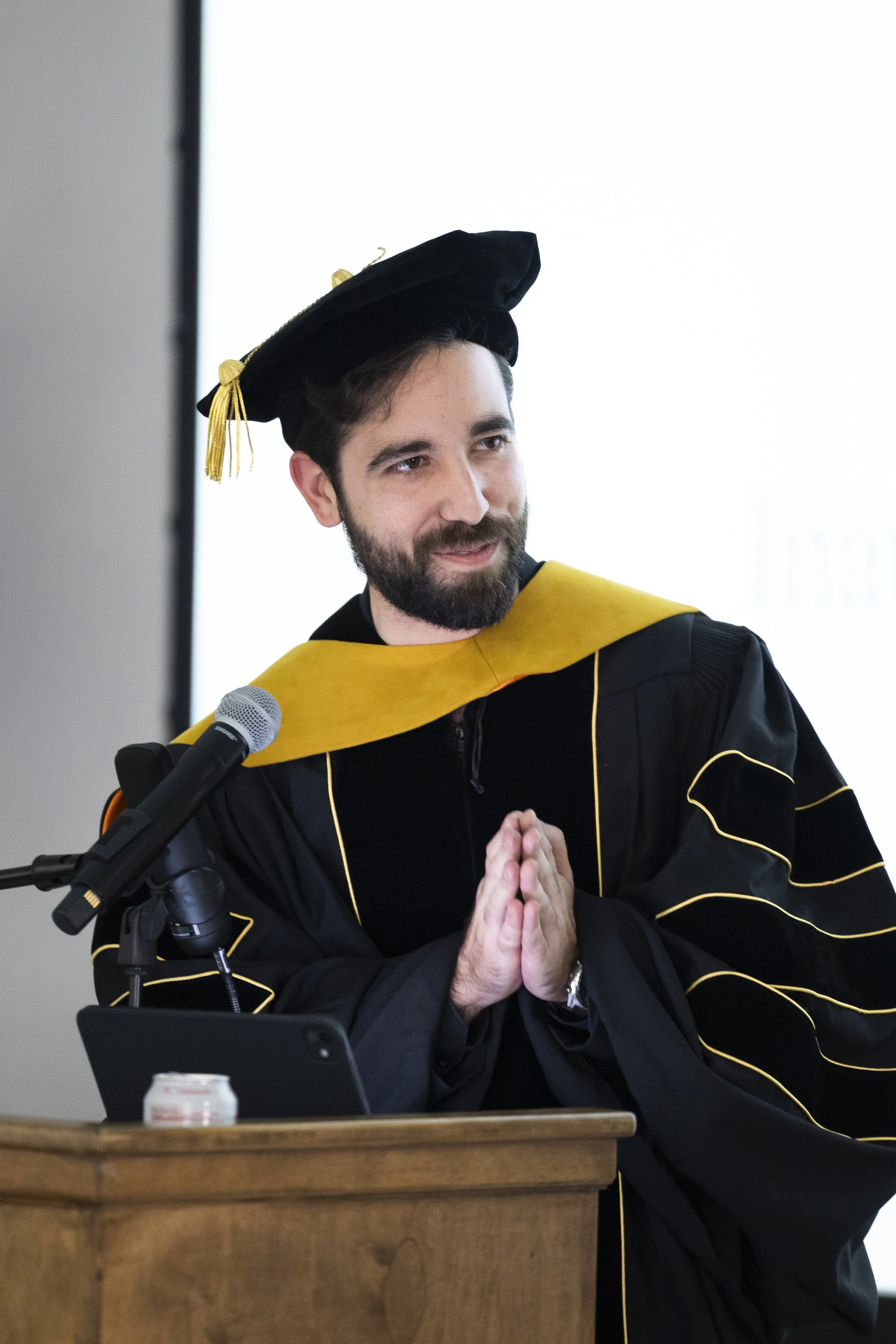
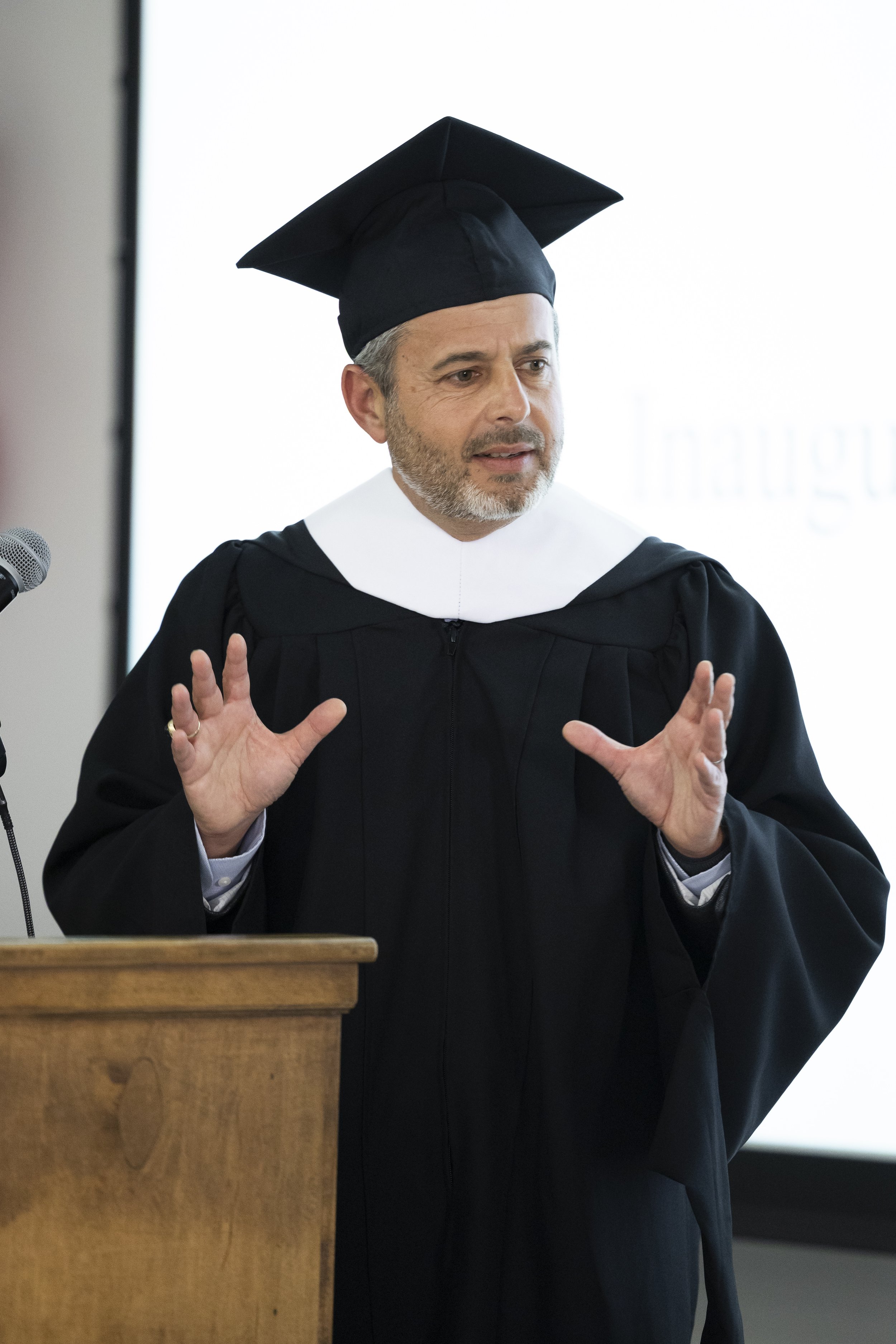
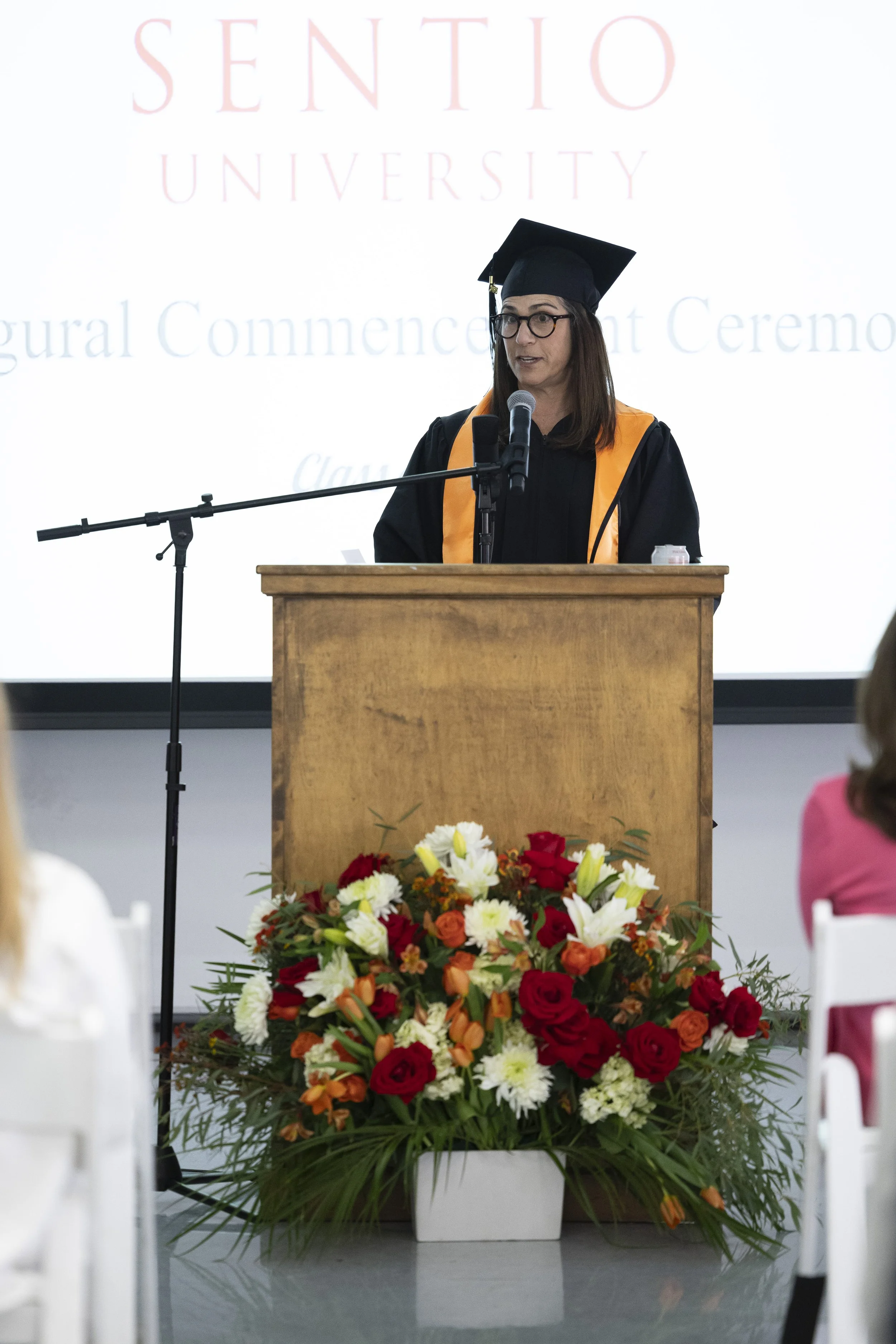
Following is the speech delivered by Sentio University President Tony Rousmaniere at the 2026 Commencement ceremony marking the graduation of the first MFT cohort:
Two years ago, our graduates had a choice. Any one of them could have gotten into any number of other MFT programs. Each was a strong candidate, and we were discerning about who we accepted. As Jason mentioned, Sentio is the only graduate school I am aware of that publishes disclaimers on our website explaining why prospective students probably should not come to our program. The work is that hard and requires that much vulnerability.
Our graduates could have chosen the easier path. There were all kinds of reasons to do so, beyond it simply being easier. But they chose Sentio. They signed up for the extra work, the extra vulnerability. They chose not just the hard path, but probably the hardest path to becoming a therapist.
Some of what our graduates did, that students at other programs almost never do: hundreds of hours of deliberate practice, videotaping of every session, showing those videos not just in supervision but in every class in front of their peers, collecting outcome data on every client, including clients who would have preferred we not collect it. Our students completed approximately three times the clinical hours required by most other programs in California.
If I had to pick one word to describe our graduates, it would be courage. They have empathy, but other therapists have empathy. They have perseverance, but other therapy students have perseverance. They have intelligence, but intelligence is a dime a dozen in graduate school. What our students have that is genuinely rare in our field is courage. The courage to extend themselves, to take a chance, to take a risk, to push themselves, to sign up for such a hard path.
We require our applicants to complete deliberate practice exercises, videotape themselves doing it, and submit the recording as part of their application. The reason is that we want them to have a taste of what they are signing up for. Many people turn away at that point, and that is legitimate. We tell them they will do great at another program. But our applicants did not turn away. They did the exercise. And then they proceeded to do hundreds of hours of videotaped deliberate practice over the next two years.
Let me tell you a story that illustrates how unusual this is.
A couple of years ago, I was invited to present at a grand rounds at a prominent psychiatry program. For those who do not know, a grand rounds is the format physicians use, in this case psychiatrists, where they meet weekly or monthly to learn from an expert and discuss cases. They asked me to speak on deliberate practice. I gave the talk and showed the slides, and then I said what I always say: the best way to learn about deliberate practice is to try it yourself. So I asked for a volunteer.
There was no videotape involved. We were not even using a real case. It would be hypothetical. Can anyone guess how many hands went up in a room full of psychiatry residents, attending physicians, and supervisors?
Zero.
This has happened enough times that I was ready. I quickly shifted into plan B. I told the room I would volunteer to make all the mistakes, and I asked one of them to volunteer to correct me. They would be my supervisor. Then I made all the ridiculous mistakes I could think of, they got to play the expert, and we successfully demonstrated how deliberate practice works.
What I had asked them to do was something they had probably done maybe once during their entire residency, if at all: practice their skills in front of an audience. Our graduates did that every day. They showed videos of themselves making mistakes on video every day. Students at other programs, even programs that use video, might do it five times in the entire course of their training.
That is why courage is the word I keep coming back to. It is the word that captures how our graduates are different and how they are special.
We are in graduation season. There are a lot of graduations happening right now, and a lot of people dressed the way I am dressed talking about how special their graduates are. But I really mean it, and these graduates have really proven it. However, our graduates are not just special. This is going to sound a little grandiose, but I believe it is true: our graduates are historic. They are not only our first cohort. As best I can tell, they are the first cohort of master's students in mental health to complete this level of deliberate practice, video work, and sustained vulnerability over a full degree program in the entire history of our field.
I get a little choked up talking about it. This has never been done.
Alex and I wrote about this for a decade before we founded the school. Other scholars had written about it for decades before us. We did not come up with these ideas. But no one had actually done it. When Alex and I decided to start a school, the big open question was whether anyone would actually sign up to do this work. Deliberate practice is optional. The Board of Behavioral Sciences does not ask whether you do it. You do not get extra credit for it. Your clients do not pay you more. It is entirely intrinsic motivation that drives a therapist to engage in deliberate practice. The desire to be a better therapist. The desire to serve your clients better. That is the only reason. You do not get paid a penny more. You do not get licensed a second sooner.
There are generations of scholars before me who wrote about this work hoping that something like it would happen. I spoke with a mentor of mine recently who wrote his dissertation in the 1960s on similar ideas. He was writing about this in the 1960s, but no one was willing to do it.
We did not know if anyone would sign up. And yet here we are. I am so proud of you. Speaking on behalf of my entire field of mental health, we are so proud of you, because you have shown that it can be done. Students will sign up to do it, and they will stay with it.
As of today, you are pioneers. Proven pioneers in the field of mental health. I think very soon you will become leaders.
To the cohort: thank you. You proved something important. Stay in touch. Come back and teach the students who follow you. They are going to need what you learned.
And to my field: this is possible. Students will do it. The barrier was never them. It was us.
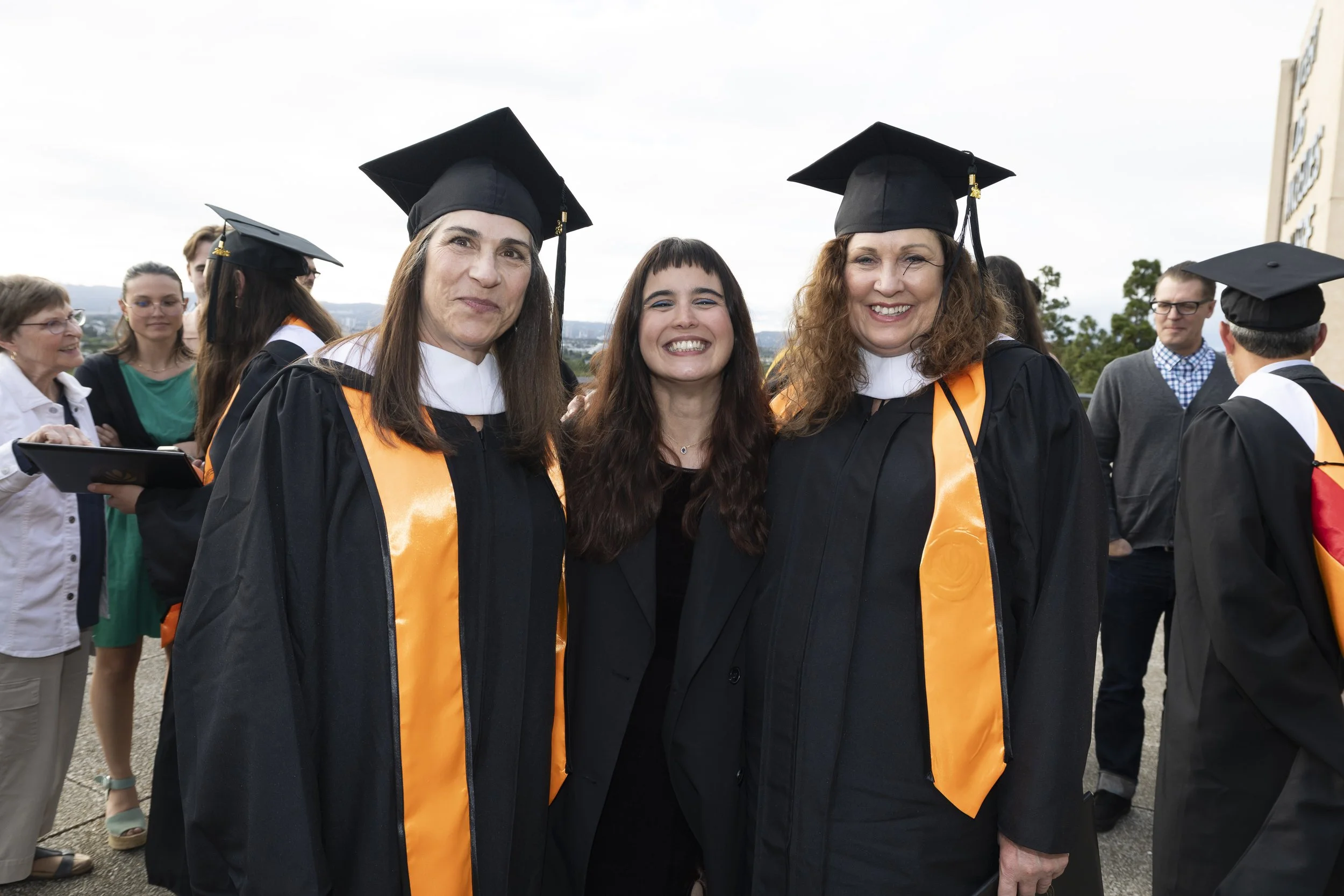
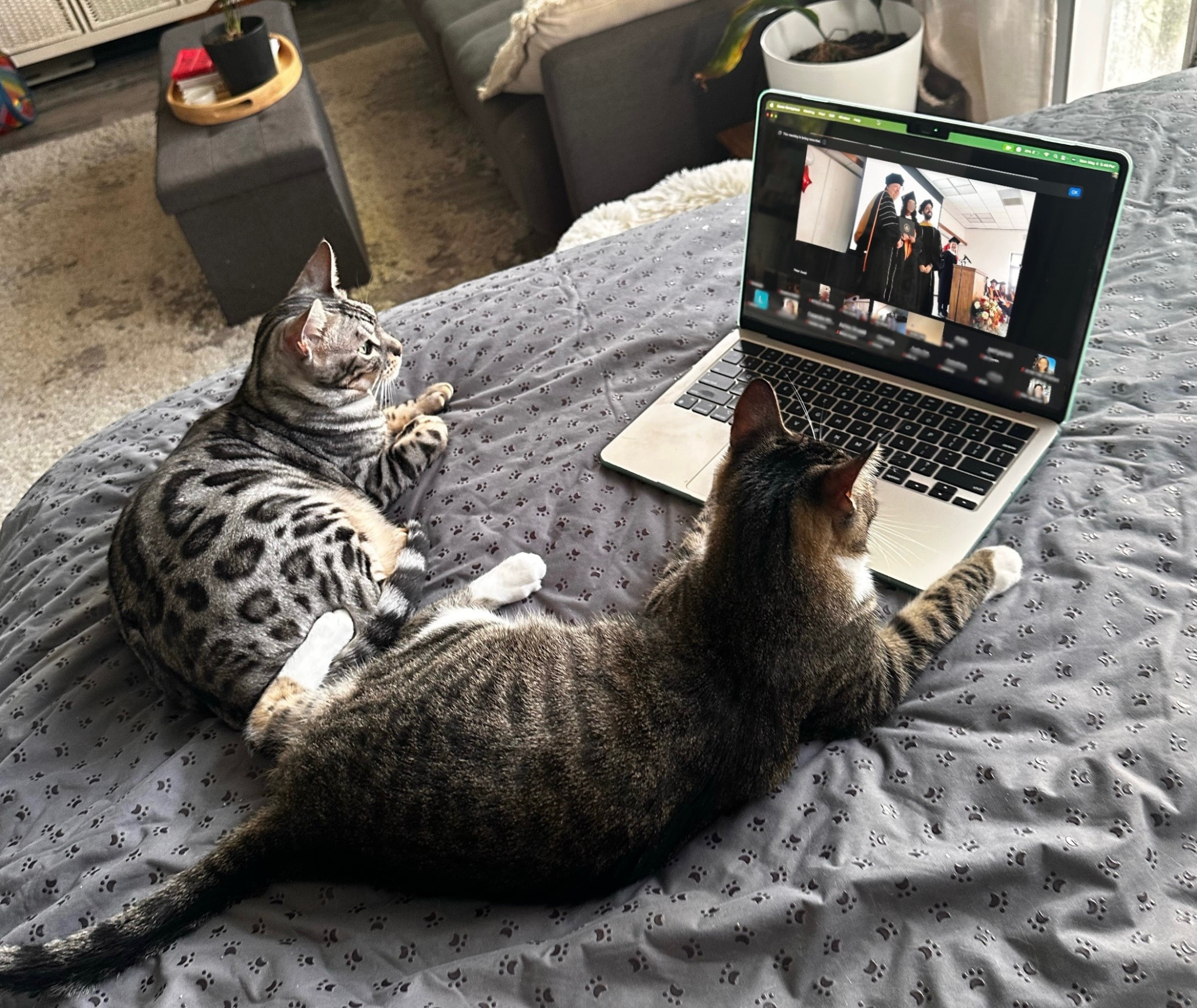
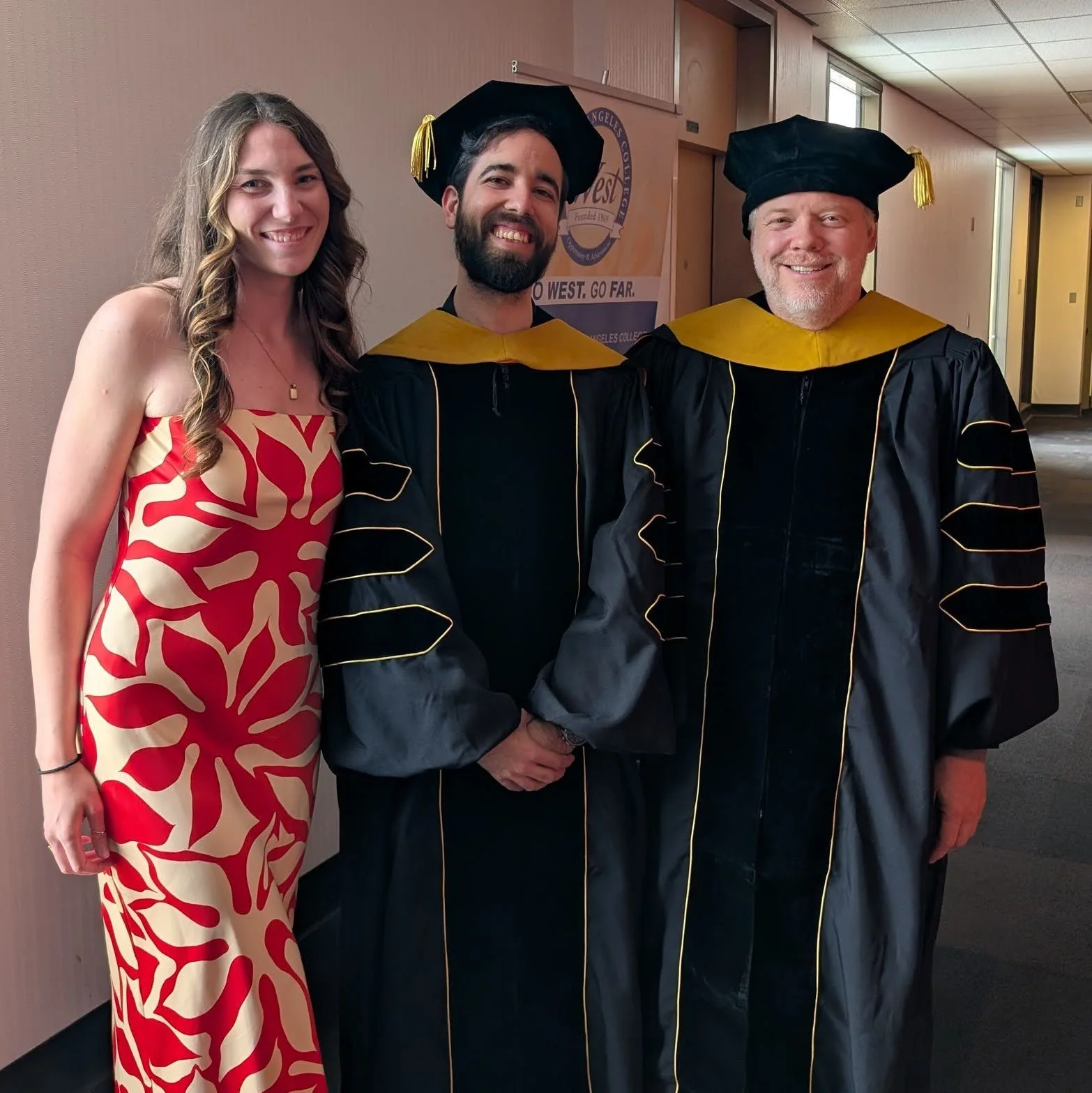
Congratulations to the members of the inaugural Sentio University cohort!


Contact Us
Mikaela Abundez
Director of Operations and Compliance
310-916-9378
Monday - Friday 9am - 5pm