

The Honest Guide · Chapter 2
Are You Built to Be a Therapist?
The common myths about who is “built” for this work, that you must be a wounded healer, tough enough to absorb other people’s pain, or free of any personal history, are not supported by the evidence.
Last verified: September 29, 2026
Five questions to ask yourself first
Before you read the research, answer these five about yourself.
Your answers tell you which parts of this chapter matter most. “Am I built for this?” is too broad to answer well. These make it specific.
Five questions to ask yourself first
Each one points you toward the sections below that matter most for you.
What am I worried about, specifically, and where did the worry come from?
Why it matters: “I might not be cut out for this” is generic. “I am worried my history of depression will hurt my work” is specific, and the chapter answers specific worries differently.
Do I understand what clinical work would actually expose me to?
Why it matters: the work involves repeated exposure to other people’s distress. The research has names for what that exposure does, and knowing them lets you think clearly about what you are signing up for.
What is my current support system, and would clinical work strain or strengthen it?
Why it matters: social support, workplace support, and supervision are the most consistent predictors of whether clinicians hold up. A thin support system matters more here than your personal history does.
Have I asked a working clinician what the work feels like, day to day?
Why it matters: forums and books carry filtered versions. A clinician with five or more years in a setting like the one you are considering will tell you what the literature does not.
Am I willing to use supervision and personal therapy as part of my practice?
Why it matters: sustained work without supervision is a known risk factor, and personal therapy is a high-prevalence, formative practice among clinicians. Both cost real time and money, so knowing now changes the decision.
Six myths about who is built for this
Most of the disqualifiers you have heard are stronger than the evidence supports.
Prospective therapists hear a lot of universal disqualifiers: claims that a particular history or trait should keep you out of the field. Here are six of the most common, and what the peer-reviewed research actually shows. The point is not to ignore every warning. It is to give you the real evidence so you can think about your own situation accurately.
“If you have a personal history of mental illness, you should not become a therapist.”
✓What the evidence shows
Common, not disqualifying. A personal history of mental illness is common among practicing clinicians, not rare. A 2022 survey of graduate psychologists and faculty in the United States and Canada (Victor and colleagues) found 82 percent reported having experienced mental illness, and a 2000 qualitative study (Cain) documents clinicians with histories of psychiatric hospitalization who practice and draw on that experience in their work. What the research treats as decisive is current functioning and the stability of recovery, not whether a category appears in your past.
“If you have a trauma history, you should not work with trauma clients.”
✓What the evidence shows
A modest, manageable risk. A 2015 meta-analysis of 38 studies (Hensel and colleagues) found personal trauma history to be a small but real risk factor for secondary traumatic stress, while social support was the single strongest factor of any kind, outweighing it. A 2013 study of UK trauma therapists (Sodeke-Gregson and colleagues) found that exposure to trauma stories did not by itself significantly predict secondary traumatic stress. Trauma history is one modest factor among several, addressed through supervision and caseload, not a categorical disqualifier.
“If you are in therapy now, you cannot become a therapist.”
✓What the evidence shows
Backwards, if anything. A 2005 synthesis in American Psychologist (Norcross) describes personal therapy as a high-prevalence, professionally formative experience among clinicians, not a barrier to the work. The wounded-healer literature (Zerubavel and Wright, 2012) makes the relevant question current functioning and adequate supervision, not whether you happen to be in therapy right now.
“Burnout means you should leave the field.”
✓What the evidence shows
Treatable, not terminal. The standard burnout framework (Maslach and Leiter, 2016) treats the usual treatment goal as returning clinicians to their work and helping them succeed in it, not removing them from it, and recovery is documented in the longitudinal evidence. Burnout is a state the research treats as addressable, especially through changes to workload, supervision, and work environment.
“If you are highly empathic, you are protected from burnout.”
✓What the evidence shows
Not a simple shield. The evidence does not support a tidy “empathy protects you” claim. A 2014 meta-analysis of 41 studies and 8,256 workers (Cieslak and colleagues) found a strong overlap between burnout and secondary traumatic stress, and close emotional engagement with clients’ distress can co-occur with both. Empathy is not a simple buffer. The chapter reports that dispersion rather than asserting the opposite, that empathy makes things worse, which rests on a thinner evidence base.
“Anyone can be a therapist if they really want it.”
✓What the evidence shows
Also too strong. A 2016 randomized study (Anderson and colleagues) found that therapists who scored high on facilitative interpersonal skills produced better client outcomes and stronger early alliances, while differences tied to training status, clinical experience, and degree were negligible by comparison. Some interpersonal skills predict outcome and they vary from person to person, so motivation alone is not the whole story. That is a statement about the field’s evidence, not a verdict on you.
The wounded-healer question
The honest question is not whether you have a history, but how your current functioning supports your work.
Forums and popular books raise the “wounded healer” idea: that therapists have themselves been hurt, and that the hurt is part of what qualifies them. The empirical question underneath is narrower, namely how common a personal history is among clinicians, and whether it predicts effectiveness or burnout.
The prevalence findings are wide, because each study defines “personal history” differently. A United Kingdom systematic review (Henderson and colleagues, 2025) found personal-trauma-history rates ranging from 19 to 81 percent across studies. A 2022 study of graduate psychologists and faculty in the United States and Canada (Victor and colleagues) found 82 percent reported having experienced mental illness. A 2023 German survey of 218 mental health professionals (Ponew and colleagues) found 57.8 percent reported previous episodes of depression. A 2025 review (Taylor) aggregates these. The range is wide because the studies measure different things, so read any single “wounded-healer prevalence” figure by asking which construct it actually measured.
Personal therapy among clinicians is a related but separate question. A 2005 synthesis in American Psychologist (Norcross) describes personal therapy as an emotionally vital, professionally formative experience that should be central to a psychologist’s development, and reports a high prevalence of it among clinicians. A specific 75 to 85 percent figure often cited downstream from that paper does not appear in the published abstract, so this chapter does not use it.
The literature’s own framing separates the wounded healer from the impaired professional (Zerubavel and Wright, 2012). The same personal history that can deepen empathy also carries vulnerabilities, around recovery stability, countertransference, and impairment. The impaired professional is defined as a clinician whose current distress adversely affects the work. So the useful question is not “do you have a history” but “how does your current functioning support your work.”
On the correlates, the evidence is partial. The most-cited meta-analysis of secondary-traumatic-stress risk factors (Hensel and colleagues, 2015; 38 studies, 17 candidate factors) found personal trauma history to be a small but real risk, while social support was the single strongest factor of any kind, larger than any individual risk. Put plainly: many practicing clinicians carry personal histories of mental illness, trauma, depression, or hospitalization; how many depends on the definition; and the evidence supports neither the claim that such a history disqualifies you nor the claim that you must be wounded to do the work.
Three kinds of cost: vicarious trauma, secondary traumatic stress, and compassion fatigue
The work has specific costs, and the research has three distinct names for them.
The clinical research on trauma-exposed work uses three overlapping but distinct constructs. Each has its own definition, its own measurement instrument, and its own evidence base, and the findings are not interchangeable across them.
| Vicarious trauma | Secondary traumatic stress | Compassion fatigue | |
|---|---|---|---|
| What it is | Shifts in a clinician’s core beliefs about safety, trust, esteem, intimacy, and control, from sustained empathic engagement with traumatized clients | PTSD-like symptoms produced by indirect exposure to clients’ trauma | An umbrella that treats burnout and secondary traumatic stress as components, paired with its positive counterpart, compassion satisfaction |
| Introduced | McCann & Pearlman, 1990 | Grew out of the compassion-fatigue literature | Stamm, 2010 (ProQOL manual) |
| Measured by | No standardized instrument; figures vary by how it is defined | The Secondary Traumatic Stress Scale | The Professional Quality of Life scale (ProQOL) |
| One key finding | Eight mediators identified, including prior trauma, social support, and coping style (Lerias & Byrne, 2003) | In a 2007 study of 282 master’s-level social workers, 15.2 percent met all three core PTSD criteria (Bride) | Strong empirical overlap with burnout (Cieslak and colleagues, 2014) |
The three overlap in the data. The 2014 Cieslak meta-analysis (41 studies, 8,256 workers indirectly exposed to trauma) found a strong overlap between burnout and secondary traumatic stress: a clinician high on one tends to be elevated on the others. What the 2015 Hensel meta-analysis ties to elevated secondary traumatic stress is caseload composition and support more than demographics, and those are within a clinician’s control to arrange through where they work and what they carry.
What the burnout research actually shows
Burnout is real but not universal, and the numbers are ranges, not a single verdict.
Burnout is the most-studied wellbeing construct in clinician research. The standard framework (Maslach and Jackson, 1981; updated by Maslach and Leiter, 2016) has three dimensions: emotional exhaustion, depersonalization (cynicism and detachment), and a reduced sense of accomplishment, each scored separately on the Maslach Burnout Inventory. The same 2016 review notes the standard treatment goal, which is to return clinicians to their work and help them succeed in it, not to remove them from it.
The strongest pre-pandemic prevalence figures come from a 2018 systematic review and meta-analysis (O’Connor, Muller Neff, and Pitman; 33 pooled studies, 9,409 mental health professionals). Across those studies, 40 percent met criteria for emotional exhaustion (95 percent confidence interval 31 to 48 percent), 22 percent for depersonalization (15 to 29 percent), and 19 percent for low personal accomplishment (13 to 25 percent). The underlying studies were published between 1997 and 2017, so the figures predate the pandemic. The review named workload and relationships at work as key drivers, and role clarity, professional autonomy, fair treatment, and clinical supervision as protective.
A second 2018 review (Simionato and Simpson; 40 articles) found an average of 54.54 percent of psychotherapists reporting moderate-to-high burnout across the overall stress and burnout measures, with younger age, less experience, and over-involvement in client problems as the most common personal risk factors. Reporting both reviews gives a more honest range than either alone. A third 2018 review of applied psychologists (McCormack and colleagues; 29 papers) found emotional exhaustion the most-cited dimension, named in 34.48 percent of the papers, with workload the most-cited job demand.
Pandemic-era figures come from a different kind of source and are not comparable. The American Psychological Association’s 2022 COVID-19 Practitioner Impact Survey (about 62,900 licensed psychologists invited, 2,295 responses) found 45 percent agreed or strongly agreed with the single statement “I feel burned out” (41 percent in 2020, 48 percent in 2021), and 46 percent reported being unable to meet the demand for treatment, up from 30 percent in 2020.
What actually protects clinicians
What predicts holding up over a career is not innate toughness. It is supervision and support, and you build both.
The same body of evidence that reports the prevalence also names what protects clinicians, and leaving that out paints a picture the research does not support.
The most consistent protective factor is clinical supervision. The 2018 O’Connor review names it as one of four protective factors, alongside role clarity, professional autonomy, and fair treatment. A 2013 study of UK trauma therapists (Sodeke-Gregson and colleagues; 253 therapists) found that perceived management support and supervision predicted higher compassion satisfaction, and, contrary to a common assumption, that exposure to trauma stories did not by itself significantly predict secondary traumatic stress. The 2015 Hensel meta-analysis found work support and social support both protective, with social support the single strongest factor of any kind.
Compassion satisfaction is the second protective factor. In the Sodeke-Gregson study, most therapists scored in the average or higher range for compassion satisfaction even alongside elevated secondary-traumatic-stress risk. Clinicians who find the work meaningful tend to keep that experience even under heavy indirect exposure.
Third, burnout is not a one-way door. The 2016 Maslach and Leiter review notes that the usual treatment goal is to return clinicians to their work, and recovery is documented in the longitudinal evidence. Taken together, the protective factors with the strongest evidence, clinical supervision, social and work support, and a working sense of meaning, are not things you are born with. They are things you build through your choices about training program, supervision arrangement, work setting, and caseload. Supervision is one of the eight dimensions in how to evaluate a program, and the time to plan for that support is before you enroll, not after.
The bottom line
- The work has specific costs, and the research names them. Vicarious trauma, secondary traumatic stress, compassion fatigue, and burnout are distinct constructs with distinct measures. Knowing them lets you think clearly about what you are signing up for.
- The prevalence figures are ranges, not single numbers. Wounded-healer prevalence runs from 19 to 81 percent depending on the definition, and pre-pandemic burnout clusters around 40 percent for emotional exhaustion. Read them as ranges tied to a measure, not as one alarming statistic.
- Most universal disqualifiers are not supported. A history of mental illness, a trauma history, current personal therapy, and current burnout are not categorical disqualifiers on the evidence. Current functioning, the stability of recovery, supervision, and caseload matter more than the category.
- What predicts holding up is supervision and support, not toughness. Clinical supervision, work support, social support, and compassion satisfaction carry the strongest evidence, and you build all of them through your choices. Plan for that support before you enroll, not after.
Working through the whole decision? See the guide’s pillar overview, what a therapy career pays, what you earn before licensure, which credential is right for you, how licensure works, and how to evaluate a program.
References
- American Psychological Association. (2022, November). Psychologists struggle to meet demand amid mental health crisis: 2022 COVID-19 Practitioner Impact Survey. https://www.apa.org/pubs/reports/practitioner/2022-covid-psychologist-workload
- Anderson, T., Crowley, M. E. J., Himawan, L., Holmberg, J. K., & Uhlin, B. D. (2016). Therapist facilitative interpersonal skills and training status: A randomized clinical trial on alliance and outcome. Psychotherapy Research, 26(5), 511-529. https://doi.org/10.1080/10503307.2015.1049671
- Anderson, T., McClintock, A. S., Himawan, L., Song, X., & Patterson, C. L. (2016). A prospective study of therapist facilitative interpersonal skills as a predictor of treatment outcome. Journal of Consulting and Clinical Psychology, 84(1), 57-66. https://doi.org/10.1037/ccp0000060
- Bride, B. E. (2007). Prevalence of secondary traumatic stress among social workers. Social Work, 52(1), 63-70. https://doi.org/10.1093/sw/52.1.63
- Cain, N. R. (2000). Psychotherapists with personal histories of psychiatric hospitalization: Countertransference in wounded healers. Psychiatric Rehabilitation Journal, 24(1), 22-28. https://doi.org/10.1037/h0095127
- Cieslak, R., Shoji, K., Douglas, A., Melville, E., Luszczynska, A., & Benight, C. C. (2014). A meta-analysis of the relationship between job burnout and secondary traumatic stress among workers with indirect exposure to trauma. Psychological Services, 11(1), 75-86. https://doi.org/10.1037/a0033798
- Henderson, A., Jewell, T., Huang, X., & Simpson, A. (2025). Personal trauma history and secondary traumatic stress in mental health professionals: A systematic review. Journal of Psychiatric and Mental Health Nursing, 32(1), 13-30. https://doi.org/10.1111/jpm.13082
- Hensel, J. M., Ruiz, C., Finney, C., & Dewa, C. S. (2015). Meta-analysis of risk factors for secondary traumatic stress in therapeutic work with trauma victims. Journal of Traumatic Stress, 28(2), 83-91. https://doi.org/10.1002/jts.21998
- Lerias, D., & Byrne, M. K. (2003). Vicarious traumatization: Symptoms and predictors. Stress and Health, 19(3), 129-138. https://doi.org/10.1002/smi.969
- Maslach, C., & Jackson, S. E. (1981). The measurement of experienced burnout. Journal of Occupational Behaviour, 2(2), 99-113. https://doi.org/10.1002/job.4030020205
- Maslach, C., & Leiter, M. P. (2016). Understanding the burnout experience: Recent research and its implications for psychiatry. World Psychiatry, 15(2), 103-111. https://doi.org/10.1002/wps.20311
- McCann, I. L., & Pearlman, L. A. (1990). Vicarious traumatization: A framework for understanding the psychological effects of working with victims. Journal of Traumatic Stress, 3(1), 131-149. https://doi.org/10.1007/BF00975140
- McCormack, H. M., MacIntyre, T. E., O’Shea, D., Herring, M. P., & Campbell, M. J. (2018). The prevalence and cause(s) of burnout among applied psychologists: A systematic review. Frontiers in Psychology, 9, Article 1897. https://doi.org/10.3389/fpsyg.2018.01897
- Norcross, J. C. (2005). The psychotherapist’s own psychotherapy: Educating and developing psychologists. American Psychologist, 60(8), 840-850. https://doi.org/10.1037/0003-066X.60.8.840
- O’Connor, K., Muller Neff, D., & Pitman, S. (2018). Burnout in mental health professionals: A systematic review and meta-analysis of prevalence and determinants. European Psychiatry, 53, 74-99. https://doi.org/10.1016/j.eurpsy.2018.06.003
- Ponew, A., Brieger, A., Lust, C., Speerforck, S., von Peter, S., & Stuetzle, S. (2023). Lived experiences matter: The role of mental health professionals’ psychological crises and vulnerability in shaping their health beliefs and concepts. Frontiers in Psychiatry, 14, Article 1114274. https://doi.org/10.3389/fpsyt.2023.1114274
- Simionato, G. K., & Simpson, S. (2018). Personal risk factors associated with burnout among psychotherapists: A systematic review of the literature. Journal of Clinical Psychology, 74(9), 1431-1456. https://doi.org/10.1002/jclp.22615
- Sodeke-Gregson, E. A., Holttum, S., & Billings, J. (2013). Compassion satisfaction, burnout, and secondary traumatic stress in UK therapists who work with adult trauma clients. European Journal of Psychotraumatology, 4(1), Article 21869. https://doi.org/10.3402/ejpt.v4i0.21869
- Stamm, B. H. (2010). The concise ProQOL manual (2nd ed.). ProQOL.org. https://proqol.org/proqol-manual
- Taylor, S. (2025). The wounded healer: The history and implications of lived experience in mental health care. Australasian Psychiatry, 33(3), 339-341. https://doi.org/10.1177/10398562241303267
- Victor, S. E., Devendorf, A. R., Lewis, S. P., Rottenberg, J., Muehlenkamp, J. J., Stage, D. L., & Miller, R. H. (2022). Only human: Mental-health difficulties among clinical, counseling, and school psychology faculty and trainees. Perspectives on Psychological Science, 17(6), 1576-1590. https://doi.org/10.1177/17456916211071079
- Zerubavel, N., & Wright, M. O. (2012). The dilemma of the wounded healer. Psychotherapy, 49(4), 482-491. https://doi.org/10.1037/a0027824
About the authors
Three of us wrote this guide. We work at Sentio University, and the guide overview explains our perspective and the rules we set for ourselves.

Tony Rousmaniere, Psy.D. is the President of Sentio University, and the Executive Director of the Sentio Counseling Center. He is also Past-President of the psychotherapy division of the American Psychological Association, and the author of many books on Deliberate Practice and psychotherapy training, including the book series The Essentials of Deliberate Practice (APA Books). In 2017 he published the widely cited article in The Atlantic Monthly, “What your therapist doesn’t know”. Dr. Rousmaniere supports the "open data" movement towards making clinical outcome data available to consumers, policy-makers, and researchers by publishing his clinical outcome data on his website. He is a licensed psychologist in California and Washington. Dr. Rousmaniere’s ORCID, Google Scholar, and Research Gate profiles.
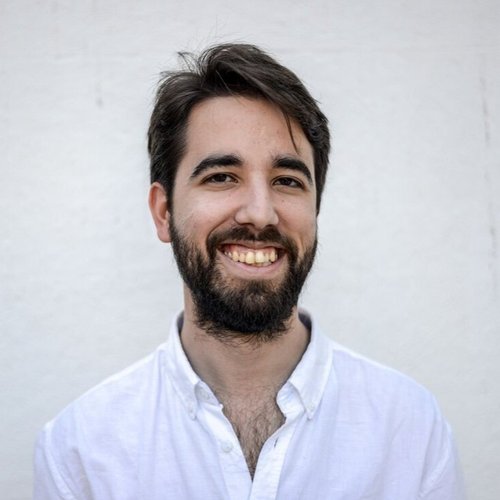
Alexandre Vaz, Ph.D. has extensive experience in academic leadership and is the cofounder of the Deliberate Practice Institute. He provides workshops, webinars, and advanced clinical training and supervision to clinicians around the world. Dr. Vaz is the author/co-editor of many books on deliberate practice and psychotherapy training and the book series The Essentials of Deliberate Practice (APA Books). He has held multiple committee roles for the Society for the Exploration of Psychotherapy Integration (SEPI) and the Society for Psychotherapy Research (SPR). Dr. Vaz is founder and host of Psychotherapy Expert Talks, an acclaimed interview series with distinguished psychotherapists and therapy researchers. He is a licensed clinical psychologist in Portugal. Dr. Vaz’s ORCID, Google Scholar profiles.

Mikaela Abundez is the Director of Student Services at Sentio University as well as a Faculty member and a Licensed Marriage and Family Therapist (LMFT #164987) at the Sentio Counseling Center. She holds a Master of Arts in Marriage and Family Therapy and has training in Emotionally Focused Therapy, Schema Therapy, and Internal Family Systems. Her private practice is at growwithmikaela.com.