

The Honest Guide · Free tool
MFT Loan and Cost Calculator
See how much of any California MFT program federal loans can cover, what is left to plan for, and what the payments could look like.
Last verified: November 3, 2026
Since July 1, 2026, graduate students can borrow up to $20,500 a year in federal Direct Unsubsidized Loans, less when they enroll part-time, and $100,000 in total for graduate study. Grad PLUS loans, which used to cover the rest of the cost of attendance, are closed to new borrowers. For a two-year master's program, that puts the federal ceiling at $41,000, whatever the program costs.
Loan and cost calculator
Pick a program and the years you will be in school. Everything else is optional.
Every program in our California MFT program directory, or enter any program's cost.
Fees, books, travel to residencies and living costs. Federal loans can cover these too, up to the school's cost of attendance.
Federal student loans you already have
Scholarships, employer help and savings
Where this money comes from: scholarships and financial aid, stipends and paid practicum, and programs that fit around work.
Repayment settings
The full picture: licensing costs and income given up
Registration, exams and any paid supervision. See what licensure costs after the degree.
For anyone leaving paid work. See changing careers to become a therapist.
Breakdown
| Estimate | Amount | High end |
|---|
Published costs are sticker prices. They come before scholarships, assistantships and employer aid, and some cover tuition only. The program's financial aid office sets your actual federal loan amount.
Federal figures use the limits in effect since July 1, 2026: $20,500 a year for graduate study, reduced in proportion for part-time enrollment, $100,000 in total for graduate study and $257,500 across all federal student loans. Interest while in school assumes equal yearly loans and a six-month grace period. Federal payments use the Tiered Standard plan, whose term depends on the balance; the income-based Repayment Assistance Plan sets payments from income instead, and Federal Student Aid's Repayment Calculator estimates both. A federal loan fee of about 1 percent comes out of each disbursement. All figures are estimates.
The federal loan rules behind the calculator
- Yearly limit. Graduate students can borrow up to $20,500 a year in Direct Unsubsidized Loans first disbursed on or after July 1, 2026, and a school may set a lower yearly limit for a program (Federal Student Aid).
- Part-time study. The yearly amount is reduced in proportion for students enrolled less than full time. Each school sets its own enrollment schedule.
- Total limits. Graduate borrowing tops out at $100,000, not counting undergraduate loans, and all federal student loans together at $257,500.
- Grad PLUS. Grad PLUS loans are closed to new borrowers. Students who borrowed for the same program before July 1, 2026 may keep the earlier rules for up to three academic years.
- Professional degrees. Students in professional-degree programs, such as law, medicine or a clinical psychology doctorate, can borrow up to $50,000 a year. Master's programs in marriage and family therapy fall under the graduate limits. Court cases over which degrees count as professional are ongoing, so confirm your program's status with its financial aid office (Federal Student Aid).
- Interest. Graduate Direct Unsubsidized Loans first disbursed from July 1, 2026 through June 30, 2027 carry a fixed rate of 8.07 percent (Federal Student Aid). Interest builds from the day each loan is paid out.
- Repayment. Loans made on or after July 1, 2026 are repaid either on the Tiered Standard plan, a fixed payment over 10 to 25 years set by the balance, or on the Repayment Assistance Plan, which sets payments from income.
Questions about paying for an MFT degree
How much can I borrow in federal loans for an MFT master's in California?
Up to $20,500 for each academic year of full-time study, less for part-time study, and no more than $100,000 for all graduate study. A two-year full-time program reaches $41,000 at most, and a three-year program $61,500. Federal loans can also cover living costs, up to the school's cost of attendance.
Is an MFT master's a professional degree for federal loans?
No. Master's programs in marriage and family therapy are graduate programs for federal loan purposes, so the $20,500 yearly limit applies. The $50,000 professional limit covers a short list of degrees, such as law, medicine and clinical psychology doctorates. Court cases over the professional-degree definition are ongoing, so confirm your program's status with its financial aid office.
Can I still get a Grad PLUS loan?
Not as a new borrower. Grad PLUS loans ended for new borrowers on July 1, 2026. Students who borrowed for their current program before that date may keep Grad PLUS for up to three academic years while they stay in the same program.
Does going part-time change how much I can borrow?
Yes. Since July 1, 2026, the yearly limit is reduced in proportion for students enrolled less than full time, so a half-time student can borrow about half of $20,500 a year. Spreading the same program over more years at a lighter load usually leaves the federal total about the same.
What if my program costs more than federal loans cover?
The rest can come from several sources: scholarships and grants, including state programs for future mental health workers; paid traineeships and stipends; employer tuition help; savings; work during the program; and private loans or a school payment plan. Private loans are priced on credit and do not carry federal benefits such as income-based repayment or Public Service Loan Forgiveness.
How are new federal loans repaid?
Loans made on or after July 1, 2026 have two repayment plans. The Tiered Standard plan sets a fixed payment over 10, 15, 20 or 25 years depending on the balance. The Repayment Assistance Plan sets payments from income and forgives any balance left after 30 years. Public Service Loan Forgiveness continues for borrowers in qualifying government and nonprofit jobs who repay on a qualifying plan, and California loan repayment programs help some therapists further. Federal Student Aid's Repayment Calculator estimates payments on each plan.
Keep going: free guides for the next decision
Choose a program
Pay for it
The whole path is in Becoming a Therapist in California: An Honest Guide, and every free guide, directory and tool is on the Therapist Career Guides page.
About the authors
Three of us built this calculator. We work at Sentio, and the guide overview explains our perspective and the rules we set for ourselves.
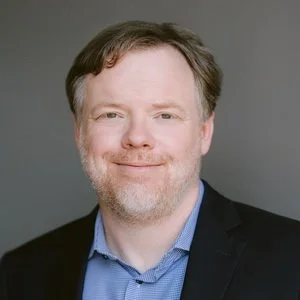
Tony Rousmaniere, Psy.D. is the President of Sentio University, and the Executive Director of the Sentio Counseling Center. He is also Past-President of the psychotherapy division of the American Psychological Association, and the author of many books on Deliberate Practice and psychotherapy training, including the book series The Essentials of Deliberate Practice (APA Books). In 2017 he published the widely cited article in The Atlantic Monthly, “What your therapist doesn’t know”. Dr. Rousmaniere supports the “open data” movement towards making clinical outcome data available to consumers, policy-makers, and researchers by publishing his clinical outcome data on his website. He is a licensed psychologist in California and Washington. Dr. Rousmaniere’s ORCID, Google Scholar, and Research Gate profiles.
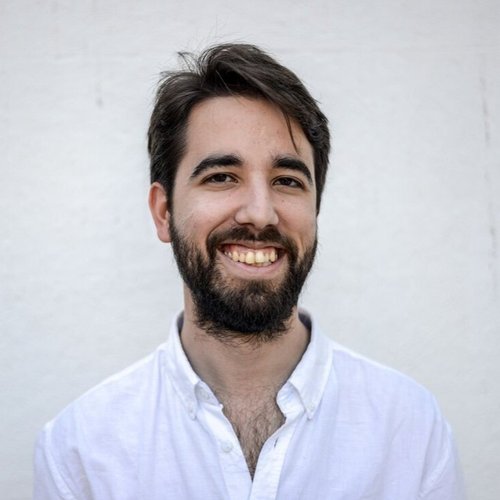
Alexandre Vaz, Ph.D. has extensive experience in academic leadership and is the Chief Academic Officer and Faculty Supervisor for Sentio University. He provides workshops, webinars, and advanced clinical training and supervision to clinicians around the world. Dr. Vaz is the author/co-editor of many books on deliberate practice and psychotherapy training and the book series The Essentials of Deliberate Practice (APA Books). He has held multiple committee roles for the Society for the Exploration of Psychotherapy Integration (SEPI) and the Society for Psychotherapy Research (SPR). Dr. Vaz is founder and host of Psychotherapy Expert Talks, an acclaimed interview series with distinguished psychotherapists and therapy researchers. He is a licensed clinical psychologist in Portugal. Dr. Vaz’s ORCID, Google Scholar profiles.
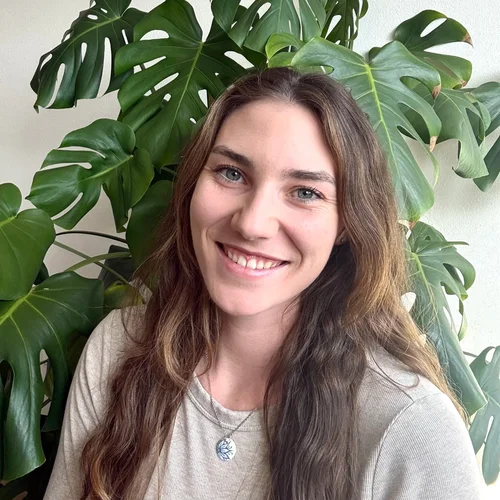
Mikaela Abundez is the Director of Student Services at Sentio University as well as a Faculty member and a Licensed Marriage and Family Therapist (LMFT #164987) at the Sentio Counseling Center. She holds a Master of Arts in Marriage and Family Therapy and has training in Emotionally Focused Therapy, Schema Therapy, and Internal Family Systems. Her private practice is at growwithmikaela.com.